WHY FEET SWELL: MAIN REASONS
The mechanism of fluid retention in tissues is often associated with a violation of venous outflow, when blood under the influence of gravity stagnates at the bottom, unable to fully rise to the heart. Both women, whose provocateurs are often hormonal fluctuations or pregnancy, and men, whose lifestyle is associated with heavy physical activity or prolonged sitting behind the wheel, are prone to this problem. In addition to purely vascular factors, edema can occur due to excess salt in the diet, renal dysfunction or heart failure, making this symptom a multidisciplinary problem.
If you notice that swelling becomes regular and does not go away after a night's rest, this is a good reason to seek professional help. During a consultation, an experienced phlebologist will help distinguish between ordinary fatigue and dangerous pathologies, such as thrombosis or the initial stage of varicose veins. It is important to remember that ignoring the constant pressure of fluid on soft tissues leads to disruption of skin nutrition, which over time can cause the appearance of dermatitis and ulcers: accurate determination of the cause is the key to maintaining healthy feet.
IS SWELLING OF LEGS ALWAYS VARICOSIS?
Although varicose veins are the most common cause of fluid retention, do not assume that swollen legs are only due to damaged veins. Sometimes the problem lies in a malfunction of the lymphatic system or a side effect of certain medications, for example, drugs to lower blood pressure. However, it is the vascular factor that poses the greatest risk to health, since prolonged stagnation of blood provokes stretching of the walls of the veins and damage to their valves. If the cause is not found out in time, symptomatic treatment with ointments will only mask the problem while it progresses internally.
In order to effectively treat swelling of the legs, it is necessary to determine exactly what stage the venous system is at. Even if visually you do not see dilated vessels or nodes, the initial stage of chronic venous insufficiency can only manifest itself as hidden edema. A professional phlebologist using ultrasound can confirm or exclude varicose veins. This approach allows you to avoid unnecessary worries and focus on the treatment of a specific disease that causes discomfort.
SYMPTOMS AND TYPES OF SWELLING OF THE LEGS
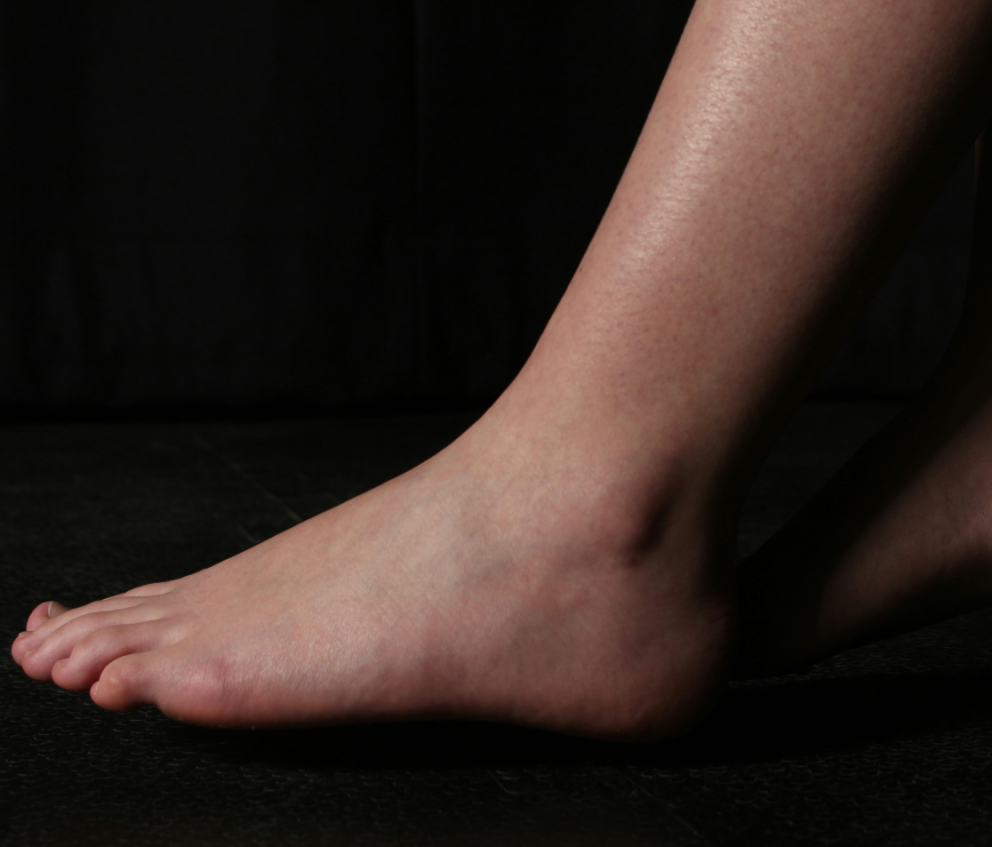
You can recognize the nature of edema by the nature of the spread of fluid and the accompanying sensations that arise during the day. Pathological conditions often have specific visual signs: from a barely noticeable mark from socks to significant deformation of the lower leg, when the skin becomes tense and shiny. It is important to monitor whether symptoms appear on both limbs at the same time or whether the lesion is local in nature, because this allows the doctor to suggest the cause of the failure even before performing hardware diagnostics.
- venous edema: usually appears in the late afternoon, localized in the ankle area and accompanied by a feeling of leaden legs, which disappears after a night's sleep;
- lymphatic swelling (lymphedema): characterized by high density, often begins on the back of the foot and hardly decreases by morning;
- cardiac: always symmetrical, spreading from bottom to top of both legs and may be accompanied by shortness of breath or fatigue;
- renal: often combined with swelling of the face, have a soft texture and occur mainly in the morning.
DIAGNOSIS AND TREATMENT OF SWELLING OF THE LEGS
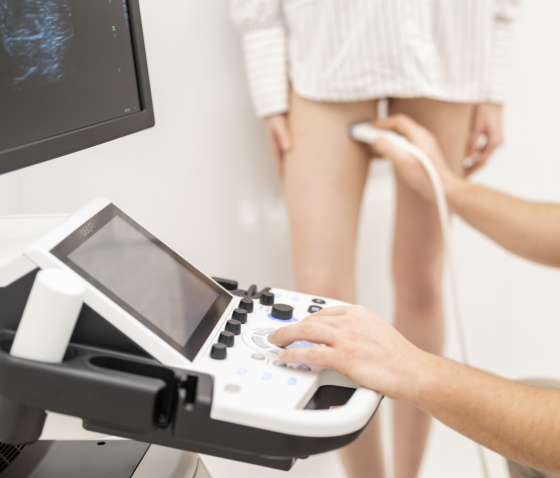
Diagnosis begins with a detailed survey, during which the doctor finds out exactly when swelling in the legs appears, whether it is accompanied by cramps, and how quickly it disappears after rest. The specialist must rule out concomitant factors: kidney pathologies, heart failure and endocrine disruptions, which can also cause fluid retention. The main stage of the study is duplex scanning - this is the “gold standard”, which allows you to see in real time the operation of the venous valves and the speed of blood flow. During the procedure, the phlebologist evaluates the patency of the deep and superficial veins, identifying even hidden refluxes (backflow of blood), which are not yet visually manifested by nodes.
Such an examination is critically important, since women often experience swelling due to hormonal changes, and men - due to static loads, and in both cases the tactics will be different. Only after the duplex confirms or refutes the vascular nature of the symptom can we proceed to the stage where professional treatment is prescribed. Accurate visualization of the vascular condition helps the doctor understand whether conservative methods and compression will be sufficient, or whether the patient needs to treat leg swelling by eliminating the damaged main vein.
PHLEBOLOGICAL CHECKUP AT DOC Clinic
Our clinic has developed an integrated approach that allows the patient to get a complete picture of vascular health in one visit. A phlebological check-up includes an extended consultation with a specialized doctor - a vascular surgeon, an expert duplex scan of both limbs and the formation of a personal recovery strategy. We value your time, so all diagnostic procedures are carried out immediately at your appointment, which allows you to begin effective treatment without delay and quickly restore lightness to your gait.
We offer access to the most advanced methods in world phlebology: from laser vascular sealing (EVLS) and miniphlebectomy through micropunctures to aesthetic sclerosis of vascular networks. This choice of instruments allows us to successfully treat leg swelling even in complex clinical cases, selecting an intervention with a minimal rehabilitation period. Regardless of the reason why swelling in the legs occurs, our phlebologists guarantee medical control at every stage: from the first ultrasound to the final result.
WHAT TO DO TO NOT SWELL YOUR FEET?
Prevention of fluid retention begins with a review of daily habits, because most often the legs swell due to prolonged static or improper drinking regimen. It is important to maintain the work of the “muscle pump” of the legs: if you have a sedentary job, try to do a light warm-up every hour or at least roll your feet from heel to toe. Diet control also plays a key role, because excess salt and preservatives provoke persistent swelling, which becomes especially noticeable in the evening. In addition, prevention includes choosing comfortable shoes with adequate support, which helps the blood vessels cope with the stress of the day.
Women who love high heels and men whose activities involve lifting heavy objects should pay special attention to the condition of their limbs. If you notice that your lower legs (at the ankles) regularly swell, a contrast shower and rest with your legs raised above the level of your heart will be helpful. Such simple manipulations improve venous outflow and help relieve the vascular system after a busy day. However, remember that when your legs swell systematically, even the most thorough self-help will not replace a professional examination, so do not ignore these signals from the body.
FREQUENTLY QUESTIONS ABOUT SWELLING IN THE LEGS:
- How to relieve swelling in your legs before visiting a doctor?
To alleviate the condition, before the consultation, you should take a horizontal position, raising your limbs above the level of your heart for 15–20 minutes. It is useful to take a cool bath or contrast shower, which will help tone the blood vessels and reduce the severity of swelling. It is important to avoid salty foods and alcohol at this time, which retain fluid in the tissues, and also not to use diuretics without prescription. If your legs swell very much during the day, try doing a light self-massage from the bottom up, but without pressing hard. Remember that these measures only temporarily mask the problem, so a visit to a phlebologist remains mandatory.
- Swelling of the legs: what could be the cause?
Most often, discomfort is caused by disruption of the venous valves, which causes blood to stagnate in the lower extremities. However, the cause of swelling of the legs may also lie in systemic failures, such as dysfunction of the kidneys, heart or endocrine system. This often affects men who lead a sedentary lifestyle or are overweight, which creates additional pressure on the blood vessels. Other risk factors include taking certain medications, long flights and an unbalanced diet. Only a comprehensive diagnosis allows you to understand exactly why your legs are swelling and how to act correctly.
- What are the main symptoms of varicose veins?
In addition to visual signs such as blue veins or spider veins, the disease often begins with hidden symptoms such as night cramps and itchy skin. Patients complain of a feeling of fullness and heaviness, which intensifies in the evening, especially when the legs swell after a long stay in a standing position. Over time, the skin over the veins may become dense and change color, which indicates deep trophic disorders. If you notice that swelling of the legs is becoming your constant companion, this is a direct signal of the development of chronic venous insufficiency.
- Cause of leg swelling in women during pregnancy: what to do and how to help yourself?
While expecting a baby, the volume of circulating blood in the body increases, and the growing uterus begins to put pressure on the large pelvic veins. This is the main reason for swelling of the feet, which often worries expectant mothers in the second and third trimesters. To help yourself, you need to wear special compression stockings and avoid prolonged sitting or standing. It is useful to do special exercises for pregnant women and monitor the level of protein in the diet so that the fluid does not leave the vascular bed. Be sure to tell your doctor if you notice leg swelling accompanied by increased blood pressure, as this requires immediate medical attention.